

Your website may look great to robotic search engine algorithms, but if it doesn't also look great to potential human customers, you haven't accomplished much.
Since its rise to prominence as one of the world’s largest media companies in the early 2000s, Google has sought to improve the quality of search results by prioritizing relevant, informative, user-first content. Its efforts have paid off; Google is the overwhelmingly dominant search engine in use today, with a market share of about 90% compared to all other search engines combined.
Forget the nonsense ads that say SEO is dead, and that GEO, AEO, or whatever this week’s prevalent acronym may be, is taking over. These AI (artificial intelligence) search results and answers are pulled from the same data source as Google results: the web.
Get SEO right on Google, and you’ve gotten SEO right, period.
The foundation of any successful SEO campaign starts under the hood. We consider site architecture, page speed, mobile responsiveness, and crawlability. Search engines reward websites that load quickly, render properly across devices, and present content in a logical structure. This means optimizing images, writing clean code, implementing proper tags and markup, and ensuring that every page can be discovered and indexed efficiently. A beautiful website that takes seven seconds to load or confuses search engine crawlers is a beautiful waste of time, money, and potential.
At Lost Highway Media, we understand both the technical and non-technical signals Google's algorithms pick up on from competing websites when a user types in a search phrase. More importantly, we understand the strategies needed to raise those signals effectively on a local, regional, or national level. Different approaches are necessary for businesses serving specific geographic areas. Whether a client serves one neighborhood or multiple cities, we focus on location-specific content and/or landing pages that demonstrate genuine authority in those areas. This focus helps smaller businesses compete against larger companies with bigger budgets.
Keyword strategy involves analyzing search intent, competition levels, and conversion potential, and it's where the ball is often fumbled. The goal is finding that sweet spot where search volume meets relevance and matches what the business can realistically rank for.
But Content is still king. Google and other search engines give higher rankings to website content that has relevance (to the user and their search), quality (is informative and valuable to the user), and authority (is linked from other websites considered authoritative). Your website may look great to robotic search engine algorithms, but if it doesn't also look great to potential human customers, you haven't accomplished much.
Getting a website to rank well isn't about gaming the system or chasing algorithm updates. Over the years, we've developed white-hat methodologies that treat SEO as what it truly is: making websites better for both search engines and the people using them. It's a recipe of technical standards compliance, strategic thinking, creative problem-solving, and perhaps a dash or two of "secret sauce" that delivers results our clients can actually see.
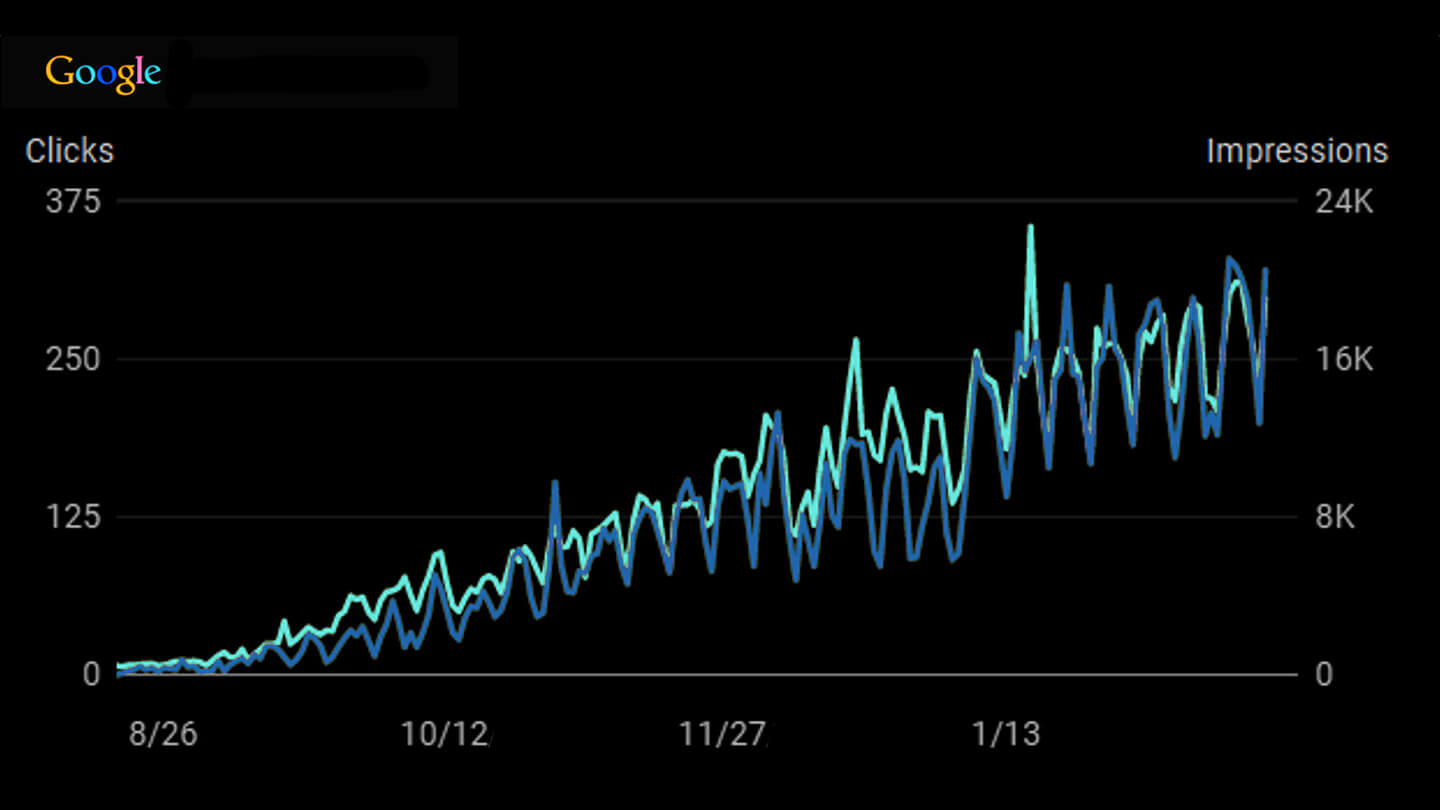
Here's one of those secrets, and it may surprise you: 96.55% of websites get no Google traffic (AHREFS, 2023). Want to be part of the other 3.45%? Are you interested in getting your website to the top of search engine results? We welcome the opportunity to discuss the SEO strategy that's right for your business—give us a call at (214) 354-1861.